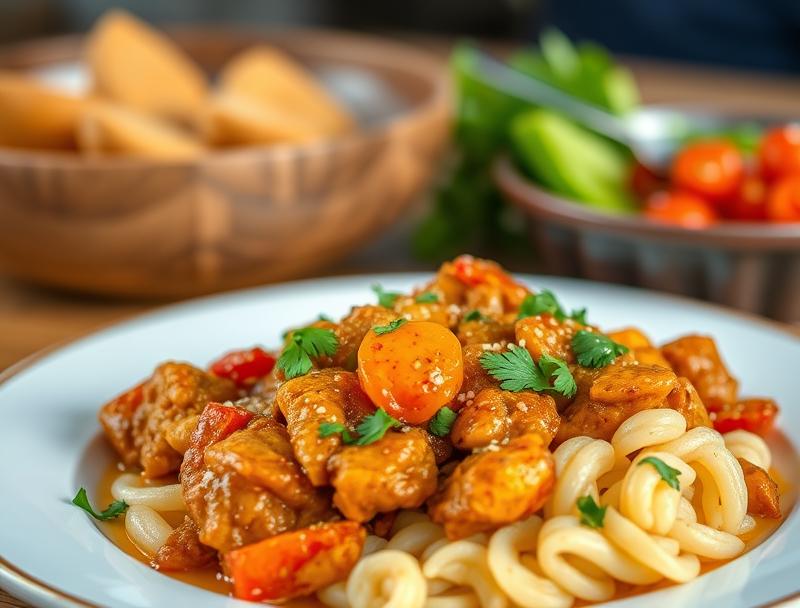
Persian Chicken
Introduction
Persian Chicken is a dish that embodies the perfect blend of ease, flavor, and creativity, using everyday ingredients to create a culinary masterpiece. This recipe is designed to impress, with its rich, aromatic flavors and tender chicken, all achieved with minimal effort. Whether you’re a seasoned chef or a beginner in the kitchen, Persian Chicken is a dish that will elevate your cooking skills and delight your taste buds. The combination of saffron, turmeric, and cumin gives this dish a distinct Middle Eastern flair, while the chicken provides a lean and satisfying protein source. With its beautiful presentation and irresistible aroma, Persian Chicken is sure to become a favorite in your household.
Why This Works
- Flavor balance and ingredient accessibility: The blend of spices and herbs in Persian Chicken creates a harmonious balance of flavors, while the ingredients are easily accessible in most supermarkets.
- Ease of preparation: This recipe requires minimal preparation time, making it perfect for busy weeknights or special occasions.
- Impressive results with minimal effort: Despite its simplicity, Persian Chicken presents beautifully and is sure to impress your guests with its complex flavors and aromatic spices.
Ingredients
- 1 1/2 pounds boneless, skinless chicken breasts, cut into 1-inch pieces
- 2 tablespoons olive oil
- 1 onion, chopped
- 2 cloves garlic, minced
- 1 teaspoon ground cumin
- 1 teaspoon ground coriander
- 1/2 teaspoon turmeric
- 1/2 teaspoon paprika
- 1/4 teaspoon cayenne pepper
- 1/2 teaspoon salt
- 1/4 teaspoon black pepper
- 1/4 cup plain Greek yogurt
- 2 tablespoons freshly squeezed lemon juice
- 2 tablespoons chopped fresh parsley
- 2 tablespoons chopped fresh dill
- 1/4 cup chopped fresh mint
- 1/4 cup toasted pine nuts or almonds (optional)
Instructions
- Step 1: In a large bowl, whisk together the olive oil, cumin, coriander, turmeric, paprika, cayenne pepper, salt, and black pepper. Add the chicken and mix until the pieces are evenly coated with the spice mixture. Cover the bowl with plastic wrap and refrigerate for at least 30 minutes or up to 2 hours.
- Step 2: Heat 1 tablespoon of olive oil in a large skillet over medium-high heat. Remove the chicken from the marinade, letting any excess liquid drip off. Add the chicken to the skillet and cook until browned on all sides and cooked through, about 6-8 minutes. Transfer the chicken to a plate and cover with foil to keep warm.
- Step 3: In the same skillet, add the remaining 1 tablespoon of olive oil. Add the chopped onion and cook, stirring occasionally, until softened and lightly browned, about 5-7 minutes. Add the minced garlic and cook for 1 minute, stirring constantly.
- Step 4: Stir in the Greek yogurt, lemon juice, parsley, dill, and mint. Bring the mixture to a simmer and cook until the sauce has thickened slightly, about 2-3 minutes. Add the cooked chicken back to the skillet and stir to coat with the sauce. Season with salt and black pepper to taste.
Handy Tips
- To enhance the flavor of the dish, use high-quality spices and fresh herbs. You can also add a pinch of saffron threads to the marinade for an extra boost of flavor and color.
- If you prefer a creamier sauce, you can add 1-2 tablespoons of sour cream or heavy cream to the yogurt mixture.
- To make the dish more substantial, serve the chicken with steamed rice, roasted vegetables, or warm pita bread.
Heat Control
When cooking the chicken, make sure to adjust the heat as needed to prevent burning or undercooking. The ideal internal temperature for cooked chicken is 165°F (74°C). Use a meat thermometer to ensure the chicken is cooked to a safe temperature.
Crunch Factor
To add a satisfying crunch to the dish, sprinkle some toasted pine nuts or almonds over the top of the chicken and sauce. You can also add some crispy fried onions or shallots for extra texture and flavor.
Pro Kitchen Tricks
- To prevent the chicken from sticking to the skillet, make sure to heat the oil properly before adding the chicken. You can also add a small amount of acid, such as lemon juice or vinegar, to the marinade to help break down the proteins and tenderize the chicken.
- To make the dish more efficient, prepare the sauce and marinade ahead of time and store them in the refrigerator for up to a day. You can also cook the chicken and sauce in advance and reheat them when ready to serve.
Storage Tips
- Leftover Persian Chicken can be stored in an airtight container in the refrigerator for up to 3 days. Reheat the chicken and sauce gently over low heat, stirring occasionally, until warmed through.
- To freeze the dish, cool the chicken and sauce to room temperature, then transfer them to a freezer-safe container or bag. Label and date the container, and store it in the freezer for up to 2 months. Thaw the frozen dish overnight in the refrigerator, then reheat as desired.
Gift Packaging Ideas
If you want to share Persian Chicken with friends or family, consider packaging the dish in a decorative container or bag. You can also add some fresh herbs, such as parsley or dill, and a side of steamed rice or pita bread to make the gift more substantial. Wrap the container in a colorful towel or cloth, and add a handwritten note or card with the recipe and cooking instructions.
Flavor Variations
- Different spices: Try adding some ground cinnamon, cardamom, or sumac to the marinade for a unique flavor twist.
- Creative toppings: Add some diced bell peppers, chopped fresh cilantro, or crumbled feta cheese to the top of the chicken and sauce for extra flavor and texture.
- Ingredient swaps: Replace the chicken with beef or lamb for a heartier dish, or use vegetarian alternatives such as tofu or tempeh for a plant-based option.
Troubleshooting
- Texture problems: If the chicken is too dry, try adding more yogurt or lemon juice to the sauce. If the sauce is too thick, add a little water or broth to thin it out.
- Ingredient replacements: If you don’t have Greek yogurt, you can substitute it with sour cream or regular yogurt. If you don’t have fresh herbs, you can use dried or frozen alternatives.
- Over/undercooking signs: Make sure to check the internal temperature of the chicken to ensure it’s cooked to a safe temperature. If the chicken is overcooked, it will be dry and tough. If it’s undercooked, it will be pink and juicy.
FAQs
- Can I freeze it? Yes, you can freeze Persian Chicken for up to 2 months. Cool the dish to room temperature, then transfer it to a freezer-safe container or bag. Label and date the container, and store it in the freezer.
- Is it gluten-free? Yes, Persian Chicken is gluten-free, making it a great option for those with gluten intolerance or sensitivity. However, if you’re using a store-bought yogurt or sauce, make sure to check the ingredients list for any gluten-containing ingredients.
- Can I double the recipe? Yes, you can double or triple the recipe to feed a larger crowd. Just make sure to adjust the cooking time and temperature as needed to ensure the chicken is cooked to a safe temperature.
Conclusion
Persian Chicken is a dish that will transport your taste buds to the exotic lands of the Middle East. With its rich, aromatic flavors and tender chicken, this recipe is sure to become a favorite in your household. Whether you’re cooking for a special occasion or a weeknight dinner, Persian Chicken is a dish that will impress and delight. So go ahead, give it a try, and experience the magic of Persian cuisine for yourself. Don’t forget to share your creations and tag us in your social media posts – we’d love to see your take on this delicious recipe!
Persian Chicken
A flavorful and aromatic Persian-inspired chicken dish made with saffron, turmeric, and cumin, perfect for special occasions or weeknight dinners.
🥘 Ingredients
👩🍳 Instructions
-
1In a large bowl, whisk together the olive oil, cumin, coriander, turmeric, paprika, cayenne pepper, salt, and black pepper. Add the chicken and mix until the pieces are evenly coated with the spice mixture.
-
2Heat 1 tablespoon of olive oil in a large skillet over medium-high heat. Remove the chicken from the marinade, letting any excess liquid drip off. Add the chicken to the skillet and cook until browned on all sides and cooked through, about 6-8 minutes.
-
3In the same skillet, add the remaining 1 tablespoon of olive oil. Add the chopped onion and cook, stirring occasionally, until softened and lightly browned, about 5-7 minutes. Add the minced garlic and cook for 1 minute, stirring constantly.
-
4Stir in the Greek yogurt, lemon juice, parsley, dill, and mint. Bring the mixture to a simmer and cook until the sauce has thickened slightly, about 2-3 minutes. Add the cooked chicken back to the skillet and stir to coat with the sauce.